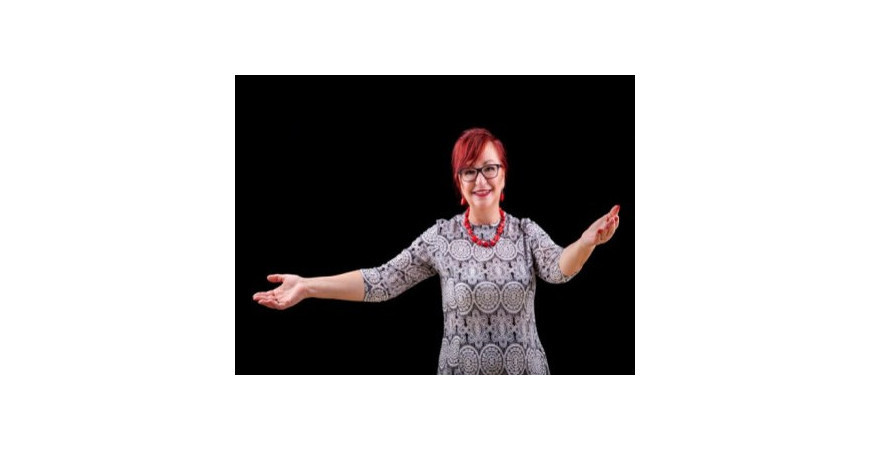
Małgorzata Wiśniewska - owner of the online bookstore Czyam i mówi po polsku (I Read and Speak Polish), which has been providing teachers and parents abroad with valuable educational materials for learning Polish as a foreign language since 2011.
Principal at Edu Owls Polish Saturday School in Leicester.
Reading books in Polish doesn't have to be a chore.
Working as a teacher and later as a principal at the Polish Saturday School, I encountered many challenges faced daily by Polish teachers abroad. Currently, as the owner of an online bookstore, I help teachers in Polish schools choose appropriate materials, taking into account the students' proficiency level and the specific needs of children growing up abroad.
Children who speak Polish as a second language have different reading needs than their peers in Poland, so I regularly meet with teachers and discuss what works well for bilingual children.
Today, the publishing market is very diverse and developed, with new, interesting books appearing constantly. Despite this, I constantly hear teachers and parents complaining about similar problems related to learning Polish, especially reading in Polish.
Teachers and parents often tell me that children:
can't read in Polish
don't want to read in Polish
are afraid to read simple texts in Polish
are nervous and stressed when they have to read in Polish
lack motivation to read in Polish
How can a bilingual child read in Polish with pleasure?
Teachers note that reading levels among Polish children are declining every year, and children are finding it increasingly difficult. Even children who enjoy reading in English struggle with reading in Polish. That's why it's so important to regularly reach for Polish books every day, for pleasure.
Many Polish Saturday schools are looking for new, interesting solutions to help children acquire this important skill. The school library, which operates with great success in many schools, is becoming an important element in the bilingual upbringing of children. Teachers continually help parents understand that it's impossible to foster a love of reading in Polish in the 3-4 hours a week that a Polish teacher has at their disposal.
The role of parents is crucial here, and it's worth repeating that the more children read at home, with their parents, for pleasure, the easier it will be for them to read in Polish independently.
What to read to bilingual children: fairy tales in Polish, leveled reading, and other proven solutions
In my experience working with Polish schools, the following solutions work exceptionally well:
Let's start with the simplest level and always try to adapt the reading level to the language level of our students. I see that many schools are creating bilingual classes for children who speak no Polish at all or very little. I wholeheartedly support this, as I believe it's never too late to learn Polish – even for 10-year-olds who have "forgotten" how to speak Polish or are at a very basic level.
Leveled reading, which children are familiar with from English school – I especially recommend the "Czym sobie" (I'm Reading Myself) series, which is adapted to the language level of children just beginning their reading adventure. Level 1 contains little text, many illustrations, short sentences, and no digraphs or embellishments. All books also come with attractive stickers and a certificate, and the "Czym sobie! I Can Be Who I Want!" campaign encourages regular reading for pleasure, and many of the materials created by the organizer can be wonderfully used in lessons at a Polish school.
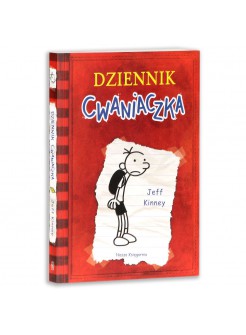
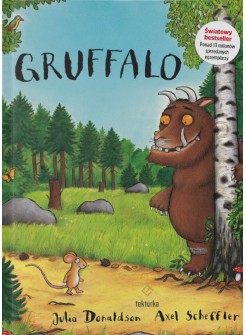
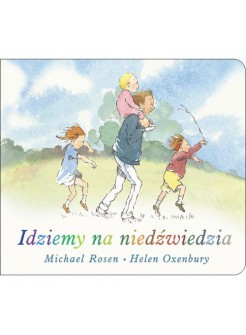
Reading for pleasure – let children choose what they want to read based on their interests and passions. For example, if a child loves superheroes, Star Wars, dinosaurs, space, the Smurfs, or princesses – suggest books on these topics. Bilingual books - I know from experience that children growing up abroad enjoy reading in English, but not always in Polish. In such cases, I suggest reaching for titles children are familiar with from English school, such as Diary of a Wimpy Kid, the Mr. Men and Little Miss Sunshine series, Dr. Seuss, The Gruffalo, The Very Hungry Caterpillar, or We're Going on a Bear Hunt. These titles, familiar from school or from the English library, are very popular with English children, and their Polish translations attract the attention of bilingual children and encourage them to read in Polish.
Involving children in selecting and evaluating reading material - reading notebooks, writing reviews, illustrations, stars, stickers, and other clever ways teachers use to "familiarize" children with reading in Polish, encourage discussion, and encourage them to express their opinions about the book.
The role of the parent - a parent who leads by example and reads for pleasure instead of relaxing in front of a screen - encourages children develop healthy habits.
Our bookstore understands the challenges faced by Polish teachers very well. We know that most schools operate on a charitable basis or rely on donations. Therefore, we want to help schools collect books for their school libraries without spending additional funds. Schools participating in our partnership program support regular reading in Polish at home, for pleasure, and can also receive books for the school library or as prizes for students free of charge.
If you have other proven ideas for sparking a love of reading in Polish in our students that you're incorporating into your schools, I'd love to hear about them: leave your idea in the comments.
If you'd like to learn more about working with our bookstore, please contact me at office@perfektsolutions.com. I'd be happy to answer any questions.
Do you want your bilingual child to fall in love with reading?
1. When choosing books, start with the easiest level and always try to match the reading level to your child's language level. Books with many illustrations, little text, and large fonts, free from digraphs and embellishments, work well.
2. Read together every day, at least 20 minutes – that's over two hours a week and about 10 hours a month.
3. Set a good example, parents – read for pleasure!
Talking about feelings is also a great way to learn Polish as a minority language. Books about feelings will be helpful, as they support conversations about all emotions: both small and large.
Good luck!
How can you encourage bilingual children to read in Polish when they lack confidence, are stressed when reading aloud, or claim they prefer books in English?
Watch the film "Books Over Coffee" to learn:
Why 20 minutes a day can change absolutely everything?
How can you choose a book level so your child doesn't get discouraged?
How to use books familiar from English schools (Gruffalo, Very Hungry Caterpillar, Elmer…)
✨ How praise, a stuffed animal, and small rituals overcome stress and shame
? How talking about books builds vocabulary and self-confidence
? Why reading aloud is also important… to teenagers
? How a parent can set an example and make books engaging


 English GB
 Polski