Fairy tales, fables, and stories for children will help you fall in love with reading in Polish.
In our bookstore, you'll find a unique selection of books in Polish and Polish-English, selected especially for children studying abroad.
Famous and popular fairy tales and fables for various age groups and children with diverse interests will help you develop good reading habits. Reading together in Polish for 15-20 minutes every day is the foundation of language development for children, from an early age.
We recommend selecting books based on children's interests, so you might find these useful:
Books about dogs
Books about cats
Fairy tales for boys
Fairy tales for girls
What to read to bilingual children: fairy tales in Polish, leveled reading, and other proven solutions
In our experience, the following solutions work well with bilingual children:
Start with the simplest level and always try to adapt the reading level to the child's language level.
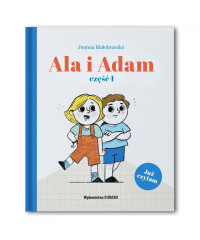
Leveled reading, which children are familiar with from English school – we especially recommend the "I Read to Myself" series, which is adapted to the language level of children just starting their reading adventure. Level 1 contains little text, many illustrations, short sentences, and no digraphs or embellishments. All books also come with attractive stickers and a certificate, and the "I Read to Myself! I Can Be Who I Want!" campaign encourages regular reading for pleasure, and many of the materials created by the organizer can be wonderfully used in lessons at a Polish school.
Reading for Pleasure – let children choose what they want to read based on their interests and passions. For example, if a child loves superheroes, Star Wars, dinosaurs, space, the Smurfs, or princesses, we suggest books on these topics.
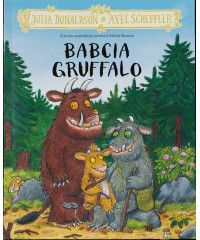
Bilingual books – we know from experience that children growing up abroad enjoy reading in English, but not always in Polish. In such cases, we suggest choosing titles children are familiar with from English school, such as Diary of a Wimpy Kid, the Mr. Men and Little Miss series, Dr. Seuss, The Gruffalo, The Very Hungry Caterpillar, or We're Going on a Bear Hunt. These titles, familiar from school or the English library, are very popular with English children, and their Polish translations attract the attention of bilingual children and encourage them to read in Polish.
Involving children in selecting and evaluating reading material – reading notebooks, writing reviews, illustrations, stars, stickers, and other clever ways teachers use to familiarize children with reading in Polish, encourage discussion, and encourage them to express their opinions about the book. The role of a parent – a parent who sets an example and reads for pleasure instead of relaxing in front of a screen encourages children to develop healthy habits.
Fairy tales and stories can be read together before bedtime.
Classics of Polish literature, such as the poems of Tuwim and Brzechwa, will help children learn about Polish culture.
Poems, rhymes, and songs support language learning through rhythm, rhyme, and repetition.
 English GB
 Polski