How to Choose a Polish Saturday School in Exile
"A good Polish school should teach a child that their bilingualism or multilingualism is a huge asset, not a reason for shame."
Parents of bilingual children, registration for the new school year at many Saturday schools will begin soon. If you're considering choosing a Polish school, we've prepared this practical guide to help you make your decision.
Teachers from Polish Saturday schools and parents whose children attend Saturday schools helped us gather information and prepare these guidelines.
We thank everyone who contributed to this text for their valuable and practical advice:
Elżbieta Grabiec, school principal
Elżbieta Czarnecka, preschool principal
Polish Saturday School in Leuven, Belgium
Daria Wilkinson, teacher at a Polish Saturday school
What is your goal in bilingual education?
Every parent who wants their child to speak Polish should answer a few questions:
Why do I want my child to speak Polish?
What is my goal in raising a bilingual child? For example:
I want my child to understand Polish, but I don't want them to speak it.
I want them to understand and speak it – to communicate with their Polish family – but I don't want them to read and write.
I want them to understand, speak, and read it, but I don't want them to write in Polish.
I want them to understand, speak, read, and write in Polish fluently.
Helpful questions:
How much time am I willing to devote per week to actively learning Polish at school and at home?
What are my child's strengths and interests?
What learning mode is best for my child?
Do I care about contact with Polish peers and relationships with other parents?
Can I help my child learn Polish on my own?
Is a Polish school the best solution for me?
Of course, there are no right answers, and each parent should set a realistic goal appropriate for their situation, their family, and their child. A family with only one parent speaking a minority language may have different goals, while a family planning to return to Poland and the Polish education system will have different goals.
Many parents choose online Polish language courses to help them learn Polish as a foreign language while abroad. Online schools offer flexible lessons or webinars that can be viewed at times designated by the parent and tailored to other responsibilities or extracurricular activities.
Parents who prioritize practical skills and building relationships with Polish peers often choose Polish extracurricular activities, such as soccer academy or art classes, which aren't focused on learning Polish as a foreign language but certainly provide opportunities to develop interests and connect with other Poles.
What are Polish Saturday Schools in the UK?
By definition, Polish Saturday schools are educational institutions. Each is a separate, autonomous unit. Responsibility for organizational and administrative matters, as well as security and finances, rests with the principals. They also decide on the legal form of the institution.
A supplementary school, like any other school, should operate in accordance with the law, be properly managed, and ensure safety. Each institution is governed by its own statute, which means each has its own program and offerings. They also differ in their methods of operation, involving parents to varying degrees in school activities. The regulations of some schools stipulate that, in exchange for small fees paid by parents to the institution, they will engage in activities such as duty hours, preparing for school celebrations or events.
Institutions also differ in their curriculum, textbooks, extracurricular activities, report cards, and staff remuneration.
What is good – how to recognize a good Polish Saturday school?
If a Polish Saturday school is the best solution for you, read on; we've prepared a few tips for you.
We asked Elżbieta Grabiec and Elżbieta Czarnecka from the Polish Saturday School in Leuven, Belgium, how to recognize a good Polish school.
A good Saturday school should meet several criteria:
pay attention to the child's individual language level and needs – not just based on age, but definitely taking into account the child's level of emotional and social development.
it should not only teach the child how to spell, read, and speak Polish correctly, but also speak openly about the need for integration, tolerance, and equality of all nationalities.
teach the child that their bilingualism or multilingualism is a huge asset, not a reason for shame.
The school should maintain a continuous and open dialogue with parents, engage parents, and encourage participation in school events and celebrations as an example for the child, demonstrating the importance of traditions and customs.
The school should sensitize teachers to the differences between educating children in Poland and abroad.
The school should support and educate teachers through, for example, internal training tailored to their needs.
The school should be co-created by teachers with heartfelt commitment and give them a sense of fulfilling the important mission of educating the young generation of Poles abroad.
What should parents pay attention to when choosing a Polish school?
Make sure the child's basic needs, such as safety, are met.
Parents should have the opportunity for honest and open conversations with teachers and the principal, while ensuring complete confidentiality.
Parents should familiarize themselves with the school's vision and assess whether this perspective fits into their child's education.
Practical questions:
Where are classes held?
What are the fees and payment terms?
Does the school offer trial lessons, and under what conditions?
Is there a language proficiency test before starting school? Are extracurricular activities offered, such as art, music, or sports?
Are there opportunities for contact and discussion with teachers?
How is the child assessed, and are penalties and/or rewards used?
What textbooks do students and teachers use?
What events and activities does the school organize?
Is there a parents' council?
Is there a school library?
Does the school have insurance?
How can parents help their bilingual children begin their education at a Polish Saturday school?
Consistent use of Polish by parents everywhere, in all circumstances, and in all situations seems obvious.
The most important element is the parent's attitude. If the parent considers the Polish school necessary, important, and contributing to the child's comprehensive development, the child will adopt a similar attitude.
If sending a child to a Polish school is merely a duty for the parent, one that is reluctantly fulfilled, though to some extent suppressing the guilt of lack of sufficient contact with the parent's native language, a child who clearly senses this will behave appropriately to the parent's subconscious expectations.
A parent helps their child most through encouragement, praise, and interest.
It is important to emphasize the uniqueness of a bilingual child and to point out that they are not alone in their otherness and self-discovery, that they can belong to different cultures and languages, yet still be an integral whole.
It is also important to emphasize the benefits of bilingualism not only in terms of future career and professional opportunities, but also in terms of the ability to acquire additional languages, logical thinking, and a broader perspective on the world.
***
Some schools offer open days where parents have the opportunity to see firsthand how a Polish school operates, talk with teachers and the administration, and sometimes even have children participate in trial lessons. If you're considering choosing a school, such a visit can be a great help in making your decision.
Homeschooling for Bilingual Children
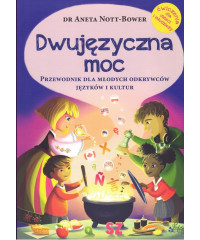
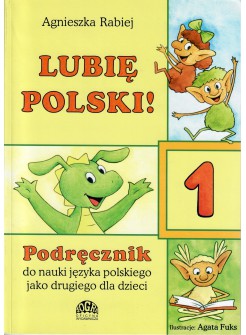
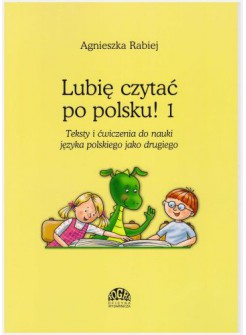
And if you decide to homeschool, we recommend textbooks tailored to the needs of children studying abroad, which can also be used at home.
If you're looking for valuable educational materials tailored to the needs of Polish children, check out our shelves, where we've gathered many suggestions that will facilitate learning Polish:
Textbooks and school aids - a wide selection of Polish textbooks for all subjects and all grades in Polish Saturday schools.
I Read in Polish - In our bookstore, you'll find a unique selection of Polish and Polish-English books, selected specifically for children learning Polish as a second language.
Children for whom Polish is a second language have different reading needs than their peers in Poland, so we regularly talk with teachers and parents of Polish children to learn what works well for bilingual children.
I Write in Polish - materials supporting the learning of Polish writing for bilingual children.
I Get to Know Poland - history, geography, atlases, maps, and other useful resources for learning Polish culture.
Playing in Polish - games, coloring pages, activities, and other resources for learning through play.
I Speak Polish - speech therapy resources for parents and professionals that will help in the active use of the Polish language.
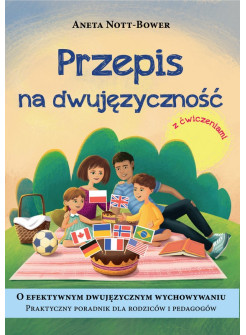
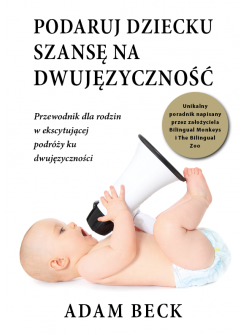
Parenting Guides - books for caregivers and teachers seeking proven and reliable knowledge about attachment parenting and other contemporary parenting trends.
Books on Emotions - for children of all ages, they will help them talk about feelings, name emotions, and practice mindfulness.


 English GB
 Polski